
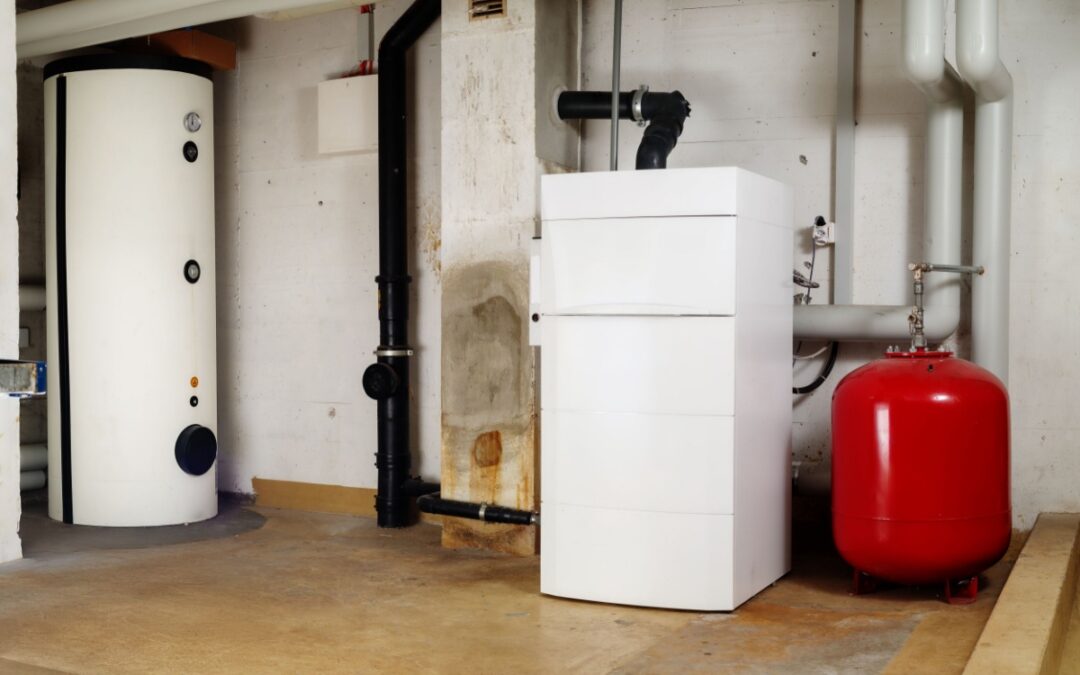
When colder weather settles in, your furnace becomes the heart of your home. It manages temperature, distributes heat, and supports comfort across every room. As systems age, homeowners often face a difficult decision: continue repairing existing equipment or invest in a replacement.
Understanding how your heating system operates and when problems cross the line from manageable to costly can help guide your decision. An older furnace can still perform reliably, but time, usage, and changing energy standards all influence long-term value. The key is knowing how to evaluate its condition with clarity rather than frustration.
Signs Your Furnace Is Near the End of Its Service Life
A furnace that has been running for years naturally experiences wear. Some issues remain minor with proper maintenance, while others signal deeper concerns that repairs may not solve.
Performance and Comfort Warning Signs
Inconsistent heat from room to room often points to airflow restrictions, duct problems, or declining heat transfer within the system. You may notice the thermostat calling for warmth more frequently, even though the home never feels balanced. Rising humidity or excessive dryness can also appear when a furnace struggles to regulate the atmosphere properly.
Unusual noises matter as well. Sounds associated with combustion, flame irregularities, or pressure changes within the unit may indicate heat exchanger fatigue or burner wear. These problems can affect safety, particularly with natural gas or propane systems.
Safety Concerns You Should Not Ignore
Any suspected gas leak, carbon monoxide presence, or cracked heat exchanger deserves immediate attention. Carbon and combustion byproducts entering living spaces can impact indoor air quality and pose serious health risks. Emergency service becomes necessary when alarms activate or strange odors appear near the furnace, tank, or pump components.
When Furnace Repair Still Makes Sense
Furnace repair remains a practical option in many cases, especially if issues are isolated and the system is not near the end of its expected lifespan.
Situations Where Repair Is Practical
A single failing part, such as a thermocouple, air filter, or control board, often costs far less than replacement. Problems tied to airflow, refrigerant interaction with a heat pump, or thermostat calibration can often be resolved without touching the core heating system.
If your furnace has a solid service history and operates efficiently after routine maintenance, repair can restore comfort without unnecessary expense. This approach works best when energy use remains reasonable, and parts are readily available.
The Role of Maintenance in Extending Furnace Life
Scheduled maintenance supports performance and safety. Cleaning burners, inspecting duct connections, checking water buildup, and confirming proper pressure levels all help stabilize operation. Even electric heating systems benefit from inspection of wiring, sensors, and automation controls that regulate convection and heat output.
When Furnace Replacement Becomes the Smarter Option
At a certain point, repairs stop delivering value. When you reach this point, furnace replacement becomes the more practical investment, especially as efficiency standards evolve.
Age and Efficiency Considerations
Most furnaces reach a tipping point after extended use. Older units often lack modern thermal insulation, advanced airflow design, and improved combustion control. This leads to higher energy consumption and uneven comfort.
Newer models, particularly those meeting Energy Star guidelines, offer improved efficiency through better heat transfer, smarter electronics, and refined manufacturing methods. These improvements reduce operating costs while improving comfort consistency.
Rising Repair Costs and Energy Waste
Frequent service calls add up. Replacing multiple components over time can exceed the cost of a new furnace, especially when paired with rising energy bills. Systems that rely on outdated oil or inefficient gas designs often waste fuel through incomplete combustion or poor heat retention. Modern furnaces also integrate better with air conditioning systems and heat pump technology, improving year-round performance.
How a Professional Evaluation Makes a Difference
A qualified technician evaluates more than just the furnace itself. They examine duct condition, airflow patterns, thermostat accuracy, and interactions with other systems within your home. This full-picture approach prevents unnecessary upgrades while identifying hidden issues that repairs alone may not resolve.
Take the Next Step With Efficient Air Heating & Cooling
If your furnace shows signs of age or declining performance, now is the right time to talk with a professional. Efficient Air Heating & Cooling helps homeowners evaluate repair options, replacement opportunities, and system upgrades with honesty and clarity. Our team works with gas, electric heating, heat pump, and hybrid systems to match your home with the right solution.
Contact Efficient Air Heating & Cooling today to schedule a furnace evaluation. We will help you restore comfort, improve efficiency, and protect your home through every season ahead.
Recent Comments